
What does your website say about your business?
What does your website say about your business?
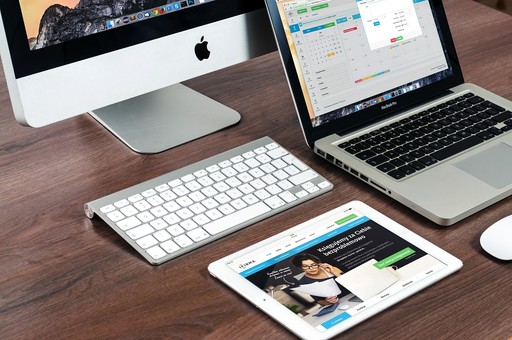
Often, a traveller's first impression of your business is through your website. For this reason, it's very important to ensure your website is sending out the right message and doing your business justice!
Often, a traveller's first impression of your business is through your website. For this reason, it's very important to ensure your website is sending out the right message and doing your business justice!
Business Tips

Navigation
The most important thing to remember is that your website needs to be easy to use and navigate. For example, visitors should find it easy to make a booking, find contact details and view a gallery. When designing your website, here's a few things to remember:
Try and make it intuitive - what makes sense for a user? In what order are they likely to navigate your website?
Essential information - what information do they need to know (e.g. fees, location, availability)? Make sure this information is easily accessible/identifiable and not hidden away.
Is it up-to-date? Technology moves quickly and whilst it's not always necessary to have the very latest features on your website, users do have expectations and may look elsewhere if they find your website is to slow compared to your competitors.
Branding
You want to make sure that your website is consistent with your business's brand. Colours, text style and images will all evoke different reactions and feelings in people and it's important to be aware of this. You should also carefully consider the effect of your company logo and what image it conveys (e.g. fun, action-packed, peaceful, luxurious, authentic).
Simplicity
One of the best ways to ensure your navigation and branding are consistent and make sense - keep it simple! Too much information, too many features and conflicting themes/imagery is confusing and a surefire way to push potential guests/customers elsewhere. When it comes to keeping things simple, here's a couple questions to think about:
Is it clear to a visitor what you do?
Is it clear where you are?
Is it clear how a visitor goes about booking?
Is the philosophy/ethos of your business evident?
Remember, websites don't always have to be expensive but they should always make sense and be user-friendly. Websites can ultimately be a very powerful tool in encouraging people to pick your business over your competitors!
Navigation
The most important thing to remember is that your website needs to be easy to use and navigate. For example, visitors should find it easy to make a booking, find contact details and view a gallery. When designing your website, here's a few things to remember:
Try and make it intuitive - what makes sense for a user? In what order are they likely to navigate your website?
Essential information - what information do they need to know (e.g. fees, location, availability)? Make sure this information is easily accessible/identifiable and not hidden away.
Is it up-to-date? Technology moves quickly and whilst it's not always necessary to have the very latest features on your website, users do have expectations and may look elsewhere if they find your website is to slow compared to your competitors.
Branding
You want to make sure that your website is consistent with your business's brand. Colours, text style and images will all evoke different reactions and feelings in people and it's important to be aware of this. You should also carefully consider the effect of your company logo and what image it conveys (e.g. fun, action-packed, peaceful, luxurious, authentic).
Simplicity
One of the best ways to ensure your navigation and branding are consistent and make sense - keep it simple! Too much information, too many features and conflicting themes/imagery is confusing and a surefire way to push potential guests/customers elsewhere. When it comes to keeping things simple, here's a couple questions to think about:
Is it clear to a visitor what you do?
Is it clear where you are?
Is it clear how a visitor goes about booking?
Is the philosophy/ethos of your business evident?
Remember, websites don't always have to be expensive but they should always make sense and be user-friendly. Websites can ultimately be a very powerful tool in encouraging people to pick your business over your competitors!
View other articles:

Payments
How to Accept Payments from Another Country
Learn how to accept payments from another country efficiently and easily. Tab will help you discover the best methods, tips, and solutions for handling international payments for your business.

Business Tips
How to Charge a Virtual Credit Card Without a POS Device
In the world of online payments, virtual credit cards (VCCs) offer a convenient and secure way for online travel agents (OTAs) to pay tourism businesses. But what if you need to charge your virtual cards without a traditional point-of-sale (POS) device? We've got you covered with some quick payment solutions to tackle this challenge head-on.

Business Tips
7 Tools and Softwares to Help Power your Tourism Business
Running a travel business comes with unique challenges. Fortunately, the right tools can help tourism operators stay organised, grow faster, and offer a better experience for guests. Here we outline 8 essential platforms that travel business owners all over the world are using to save time, increase bookings, and improve operations.
Payments
How to Accept Payments from Another Country
Learn how to accept payments from another country efficiently and easily. Tab will help you discover the best methods, tips, and solutions for handling international payments for your business.
Business Tips
How to Charge a Virtual Credit Card Without a POS Device
In the world of online payments, virtual credit cards (VCCs) offer a convenient and secure way for online travel agents (OTAs) to pay tourism businesses. But what if you need to charge your virtual cards without a traditional point-of-sale (POS) device? We've got you covered with some quick payment solutions to tackle this challenge head-on.
Payments
How to Accept Payments from Another Country
Learn how to accept payments from another country efficiently and easily. Tab will help you discover the best methods, tips, and solutions for handling international payments for your business.
Business Tips
How to Charge a Virtual Credit Card Without a POS Device
In the world of online payments, virtual credit cards (VCCs) offer a convenient and secure way for online travel agents (OTAs) to pay tourism businesses. But what if you need to charge your virtual cards without a traditional point-of-sale (POS) device? We've got you covered with some quick payment solutions to tackle this challenge head-on.
Business Tips
7 Tools and Softwares to Help Power your Tourism Business
Running a travel business comes with unique challenges. Fortunately, the right tools can help tourism operators stay organised, grow faster, and offer a better experience for guests. Here we outline 8 essential platforms that travel business owners all over the world are using to save time, increase bookings, and improve operations.
Payments
Advance Bookings: How to Charge Card Details from Online Travel Agents
Receive and charge customer or virtual cards from Booking.com or Expedia easily with Tab. Benefit from secure payments, reduced no-shows, and simple refunds. Learn more!
More than 50,000+ businesses trusts Tab, follow more stories.
More than 50,000+ businesses trusts Tab, follow more stories.
More than 50,000+ businesses trusts Tab, follow more stories.

Ready for faster, fairer tourism payments?
Apply for a free account today.
Ready for faster, fairer tourism payments?
Apply for a free account today.
Ready to start taking Payments with Tab?
Apply for a free account today.
Ready for faster, fairer tourism payments?
Apply for a free account today.